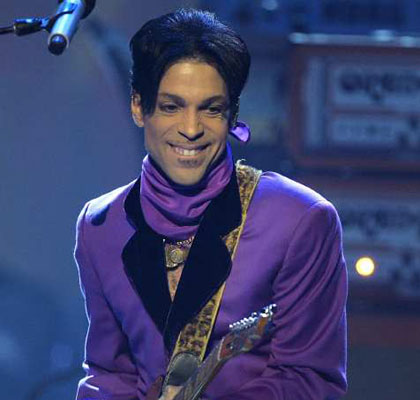
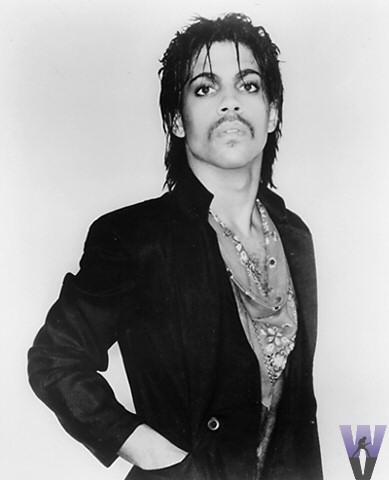
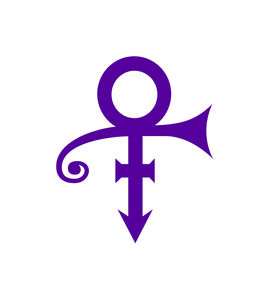
Prince's symbol blends the separate masculine and feminine icons into one symbolic form, and it represents "The artist formerly known as Prince", which was how he was referred to at that time. This was subsequently shortened to "the artist".
This aspect of being 'known' interests me - how the narrative surrounding me has my as its centre. I didn't name myself, and whatever conversation my parents about me articulated the kind of meaning it gave to me. It represented what they wanted me to be like or had a meaning of one sort or another. At my birth the first pronouncement, "it's a boy" wasn't the first true thing said about me. The first knowledge. "It's a boy" was only the first categorisation, preexisting which, was a deep, long discourse into which my sex must be situated as one of two. There is an unbelievabable quantity of meaning in the way that one word, "boy," is gendered, and just by being male, the way I was to be organised as a known entity was, by and large, already written. My destiny prescribed.
I have a boys name for a start. "John is a boy" is taken-to-be-true, but in the depths of self inquiry, what truth is this discursive proposition? The penis makes it true, I guess, and the fact that I lie on one side of the procreative duality more generally.
The narrative that organises sex, "boy" or "girl", is the fundamental basis of the entire discourse used to organise society. Society's first priority is to reproduce itself, and that necessitates biological reproduction, so this biological imperative is the first thing that has to be organised. The whole of social order, the very survival of culture, rests on this one question: "is it a boy or a girl?" And this is the primary data that underpins the means by which a 'person' is known. Type boy/Type girl.
When Prince merged these two types into one un-pronounceable symbol that represented himself, sexlessness also became nameless. The true Tao. Prince became "formally known as...", but currently unknown. This disrupted everything. People didn't know what to call him, and no such character existed as text by which to centralise discourse. There was so much to say, nut no referential basis by which to cohere it, and when the central cog of the spinning discursive wheel was removed, the spokes narrative flailed about pointlessly as the crux of the power in knowledge, the 'gendername' evaporated.
As the Tao Te Ching suggest, only that which is not-true can be named, and all that is said refers to the name.