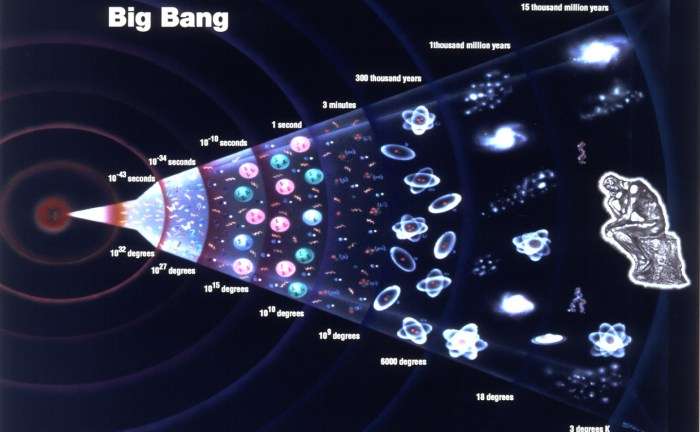
a philosophical take on human beings...
Posted: Wed Jan 18, 2023 6:50 pm
the primary question of existence is basically this,
what does it mean to be a human being?
a dog is just a dog, nothing more, nothing less...
it can't be anything else but a dog...its programming,
instincts cannot be anything else...evolution has made that
dog into a dog.. is there such a thing as a universal dog?
no, each dog has its own quirks and past and programming...
but a dog also cannot be anything else, it can't be a cat or a moose or
an elephant...and I think programming is a very good word for both
dogs and human beings... our blood, our DNA, our instincts, our
past all combine to make us human....we cannot be mistaken for
anything other than human....but a universal human being does not
exists...
and part of the attempt to "universalize" human beings lie in the various
descriptions of human beings... since the Greeks, one description of
human beings has been a "rational creature"... Aristotle for example,
defined "man as being a rational animal" and the very basis of
philosophy depends on this description of man, "as a rational being"..
but having watched human beings for over 60 years, I can tell you
that this description is about as imperfect as can be, in fact, one
might say it is flat out wrong... when we talk about humans as
rational beings, that isn't reality, it is more of an "ought to be"..
"Human beings ought to be rational beings"
not this, "Human beings are rational beings"
because so much of human existence is not only irrational,
but this irrationality is encouraged by society...
a very human proposition is the basis of any society, state
is "the family unit"... the family unit is the basic building block
of the state and the society... and how does this basic building block
actual begin.. does it begin rationally or does it begin with the
most irrational action we pursue.. that of love... from
books to movies to plays to poems to ads on TV, this
pursuit of love is actively encouraged as the fundamental
basis of ours or any society/state.... (true or not is irrelevant)
and millions of people are encouraged to pursue and find love..
it might be the most fundamental action a human takes and love is
completely irrational and has no basis in logic or being rational....
to say, to be human is to be rational is to discount a basic,
fundamental aspect of being human.. that of love...love is
so fundamental in human existence that babies that have no love,
die... and a human being without love is lonely and unfulfilled...
one of the primary if not the primary goal of human existence is
to find love...a irrational act...and how does philosophy deal with
this completely irrational, but fundamentally basic action of being
human? Pretty much by ignoring it... name me a philosopher, outside
of Kierkegaard, who writes about love?
and one might say, correctly, Socrates did.. and Socrates
tried to make love or Eros as he called it, a rational, logical
thing.. but it is not...
and therein lies the problem with philosophy.. it
fails to account for a basic, fundamental aspect of
human existence...philosophy, a great deal of the time,
deals with what ought to be, instead of dealing with
humans as they are... think about 20th century
philosophy and who actually dealt with human beings
as they are, not as they ought to be? certainly not such
philosophers as Ayer, or Wittgenstein or Russell or Derrida..
or even Foucault.... ( he wrote about sex, but not about love)
The only philosophers that put the human in human beings is
the Existentialists.. they at least discussed such things as angst,
dread, fear... even Heidegger wrote about "the human condition"
in his thoughts about how people react to their upcoming death...
but even here, he rationalized about death, not as a real event
in someone's life... so which writings inform of what real people
think of death, Heidegger or Tolstoy.. in his "The death of
Ivan Ilyich"..... the truth is that Tolstoy is far closer to the
reality of death than any writer of philosophy is...a work of
fiction beats any work of philosophy in its understanding of
what it means to be human.... and the truth is that we are moved
by the truth/reality of plays, novels, poems, ART because
it is closer to the truth/reality of what it means to be human,
than any textbook of philosophy or history or economics or
science.... I can see myself in the poems of Walt Whitman,
whereas I can't see myself in Heidegger book, "Being and Time"
Most philosophy bores the crap out of me basically because
I can't see myself within its pages... I don't see real life
human beings in Plato, or in Descartes or within Wittgenstein...
I see rationality and logic but not what it means to be human,
especially considering that to be human is to embrace that
which is illogical or irrational... values that make us human, are
not logical or rational.... values like love, peace, hope, non-violence,
creativity, honor, loyalty, integrity, compassion, bliss, courage,
freedom, friendship for examples, are not by any stretch of
the imagination, logical or rational... but those values make up
what it means to be human...and philosophy will continue to fail
until it takes into account the reality of being human, which is
the irrational values like love and compassion and kindness
and hope....
philosophy can tell us what we ought to be, but it can't,
at present, tell us who we really are and what our
possibilities really are...
Kropotkin
what does it mean to be a human being?
a dog is just a dog, nothing more, nothing less...
it can't be anything else but a dog...its programming,
instincts cannot be anything else...evolution has made that
dog into a dog.. is there such a thing as a universal dog?
no, each dog has its own quirks and past and programming...
but a dog also cannot be anything else, it can't be a cat or a moose or
an elephant...and I think programming is a very good word for both
dogs and human beings... our blood, our DNA, our instincts, our
past all combine to make us human....we cannot be mistaken for
anything other than human....but a universal human being does not
exists...
and part of the attempt to "universalize" human beings lie in the various
descriptions of human beings... since the Greeks, one description of
human beings has been a "rational creature"... Aristotle for example,
defined "man as being a rational animal" and the very basis of
philosophy depends on this description of man, "as a rational being"..
but having watched human beings for over 60 years, I can tell you
that this description is about as imperfect as can be, in fact, one
might say it is flat out wrong... when we talk about humans as
rational beings, that isn't reality, it is more of an "ought to be"..
"Human beings ought to be rational beings"
not this, "Human beings are rational beings"
because so much of human existence is not only irrational,
but this irrationality is encouraged by society...
a very human proposition is the basis of any society, state
is "the family unit"... the family unit is the basic building block
of the state and the society... and how does this basic building block
actual begin.. does it begin rationally or does it begin with the
most irrational action we pursue.. that of love... from
books to movies to plays to poems to ads on TV, this
pursuit of love is actively encouraged as the fundamental
basis of ours or any society/state.... (true or not is irrelevant)
and millions of people are encouraged to pursue and find love..
it might be the most fundamental action a human takes and love is
completely irrational and has no basis in logic or being rational....
to say, to be human is to be rational is to discount a basic,
fundamental aspect of being human.. that of love...love is
so fundamental in human existence that babies that have no love,
die... and a human being without love is lonely and unfulfilled...
one of the primary if not the primary goal of human existence is
to find love...a irrational act...and how does philosophy deal with
this completely irrational, but fundamentally basic action of being
human? Pretty much by ignoring it... name me a philosopher, outside
of Kierkegaard, who writes about love?
and one might say, correctly, Socrates did.. and Socrates
tried to make love or Eros as he called it, a rational, logical
thing.. but it is not...
and therein lies the problem with philosophy.. it
fails to account for a basic, fundamental aspect of
human existence...philosophy, a great deal of the time,
deals with what ought to be, instead of dealing with
humans as they are... think about 20th century
philosophy and who actually dealt with human beings
as they are, not as they ought to be? certainly not such
philosophers as Ayer, or Wittgenstein or Russell or Derrida..
or even Foucault.... ( he wrote about sex, but not about love)
The only philosophers that put the human in human beings is
the Existentialists.. they at least discussed such things as angst,
dread, fear... even Heidegger wrote about "the human condition"
in his thoughts about how people react to their upcoming death...
but even here, he rationalized about death, not as a real event
in someone's life... so which writings inform of what real people
think of death, Heidegger or Tolstoy.. in his "The death of
Ivan Ilyich"..... the truth is that Tolstoy is far closer to the
reality of death than any writer of philosophy is...a work of
fiction beats any work of philosophy in its understanding of
what it means to be human.... and the truth is that we are moved
by the truth/reality of plays, novels, poems, ART because
it is closer to the truth/reality of what it means to be human,
than any textbook of philosophy or history or economics or
science.... I can see myself in the poems of Walt Whitman,
whereas I can't see myself in Heidegger book, "Being and Time"
Most philosophy bores the crap out of me basically because
I can't see myself within its pages... I don't see real life
human beings in Plato, or in Descartes or within Wittgenstein...
I see rationality and logic but not what it means to be human,
especially considering that to be human is to embrace that
which is illogical or irrational... values that make us human, are
not logical or rational.... values like love, peace, hope, non-violence,
creativity, honor, loyalty, integrity, compassion, bliss, courage,
freedom, friendship for examples, are not by any stretch of
the imagination, logical or rational... but those values make up
what it means to be human...and philosophy will continue to fail
until it takes into account the reality of being human, which is
the irrational values like love and compassion and kindness
and hope....
philosophy can tell us what we ought to be, but it can't,
at present, tell us who we really are and what our
possibilities really are...
Kropotkin