commonsense wrote: ↑Sat Apr 06, 2024 3:48 pm
Trajk Logik wrote: ↑Sat Apr 06, 2024 4:58 am
What does it mean to have a will or purpose? Do you have a will or purpose? What is your ultimate purpose? Does your pet have a will or purpose? What about spiders and crabs, or jellyfish?
What does it mean to be sentient? I think philosophers often throw these terms around without fully understanding what they mean and integrating their meaning with the rest of what we know.
Indeed, what is a will or a purpose or sentience? Or of greater practical value, regardless of whatever will is, what is the difference between computer will and human will? What is the difference between computer purpose, computer sentience, and human purpose or sentience?
You are the one that used the words, so I'm asking you what you meant by them. It seems to me that you would have to define "will" and "purpose" to then go on to determine what the difference, if there is one, between a computer will/purpose and human will/purpose. Could it not be possible that two humans have different wills and purposes as well? Is your purpose the same as my purpose?
seeds wrote: ↑Sat Apr 06, 2024 8:58 pm
Granted, it is highly speculative, but I've been promoting the theory that we humans are what I call
"THE ULTIMATE SEEDS" who are each imbued with the potential of evolving into a literal universe created from the living fabric of our very own minds.
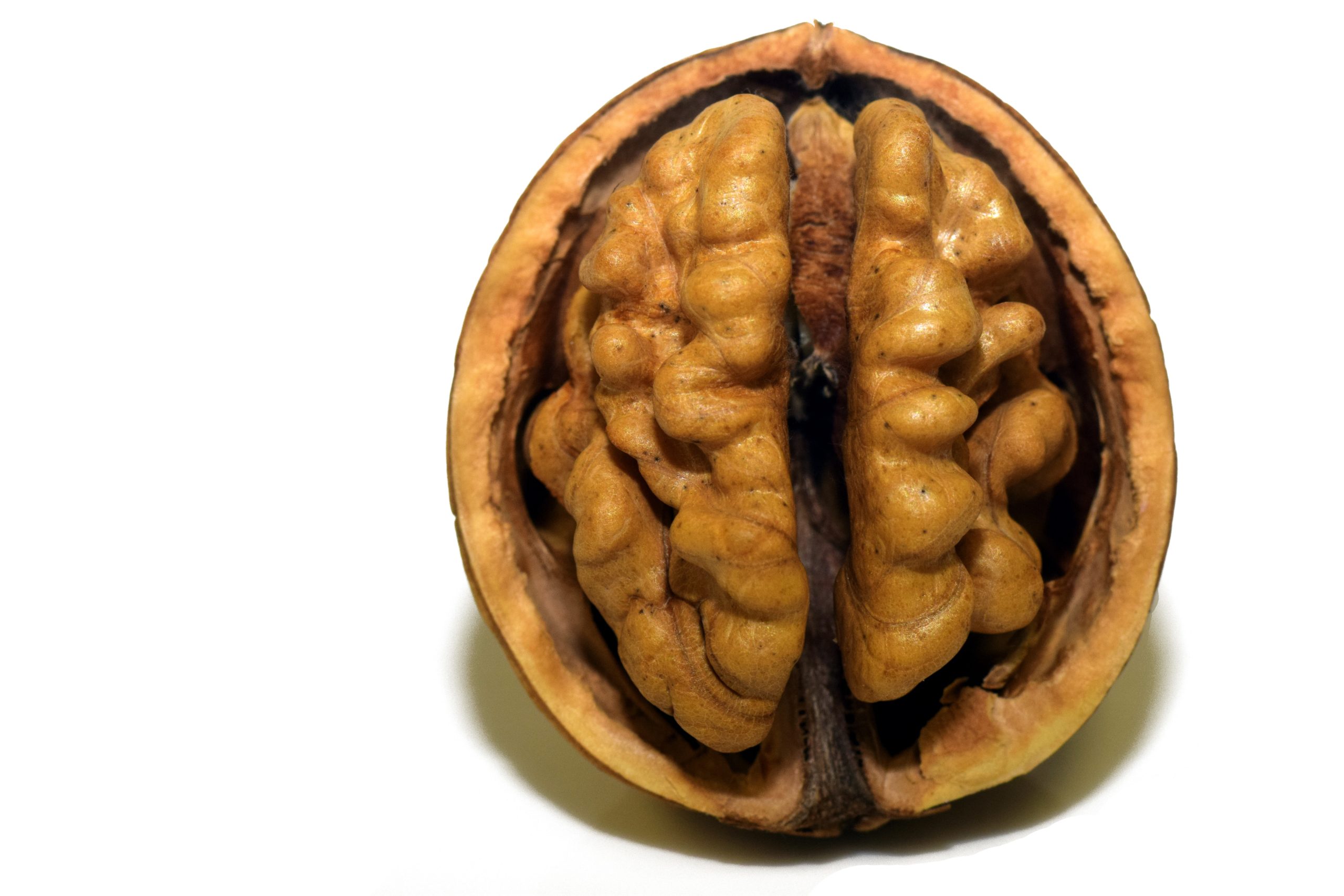
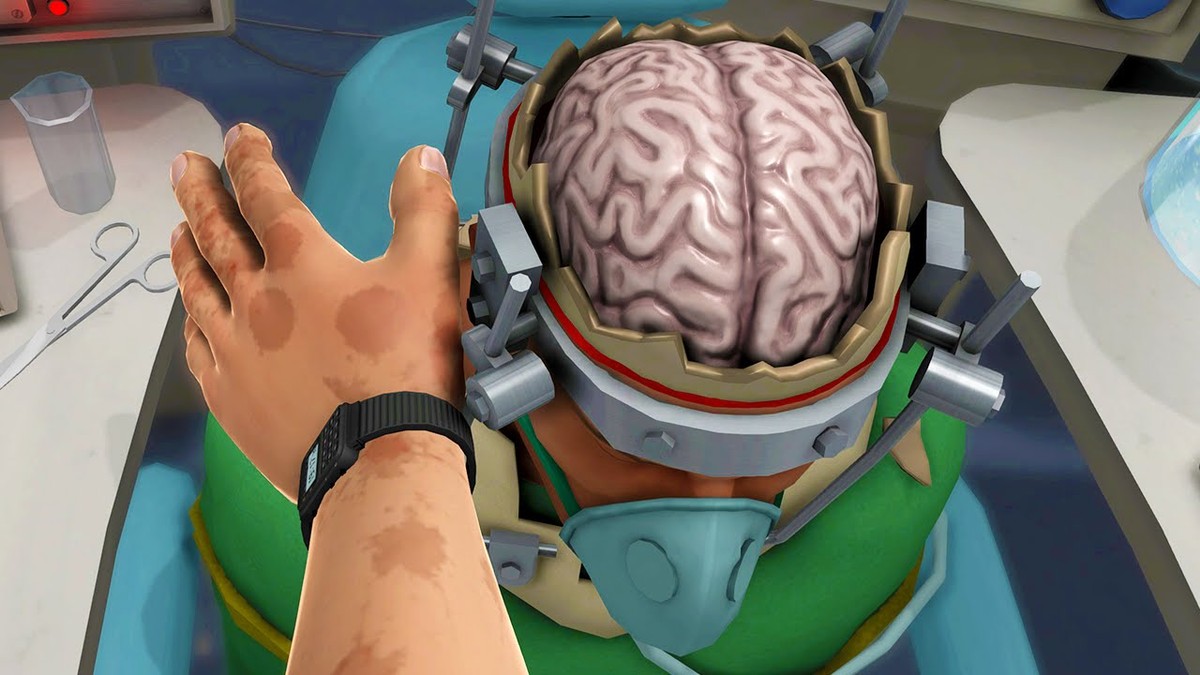
In which case, if you can figure out which one of the following three items is out of place relative to the other two, then the difference between a computer's purpose and that of a human's purpose should be obvious...
I think you are conflating "universe" with "mind". They are not the same thing. Minds are part of the universe, not separate from the universe. This is why our minds can interact here on this forum, because they are part of the same universe.
All three items are physical. What makes a physical brain have a different purpose than a physical computer?
attofishpi wrote: ↑Sat Apr 06, 2024 11:42 pm
Only sentient beings can have a will. For an AI to want to kill humans for example, it must be guided to via the will of a sentient being (a human).
Sentience: If i am hungry, my will is to eat. If I look at the garden and see that the grass is long, my will is to get the lawnmower out.
Where does human will come from? If there is a god, then wouldn't human will be guided by the will of god and we'd be no different than a computer's will being provided by some outside source? If no god, then our will evolved naturally through our interaction with the world.
If ChatGPT receives input it will produce output, no different than the input provided by your senses and your brain determining a valid response to the input. So I still don't see where the difference between human will/purpose and computer will/purpose is.
commonsense wrote: ↑Sun Apr 07, 2024 12:57 am
Random activity could make an AI kill humans without ever wanting to or ever having a will installed by humans.
Nothing is random. Even when the computer produces a "random" number it is following a complex algorithm to produce the number. Your lack of understanding of the algorithm is what makes you perceive it as random, but it is anything but random. Randomness is an idea projected onto the world from our ignorance. We are essentially projecting our ignorance in describing some event as random.
Humans, like computers, are programmed. We have instincts and learned behaviors. We are have been programmed over millions of years through natural selection - of interacting with the world and passing down those behaviors and knowledge to subsequent generations.
The windows to the world for AI is through it's sensory systems of the keyboard and mouse. AI responds to keyboard and mouse input like you respond to visual and auditory input. If we programmed the AI to make it's own observations, categorize those observations, and produce meaningful responses to its observations that enables it to learn and survive, then how is it any different from what a human is or does? Is it merely the goal we have that is different in that humans have the goal to survive and AI has the goal to produce output given some input provided by humans? In this sense is the AI like a brain in a vat where it's inputs are being provided not by its interaction with the world but by other sentient beings? Take the brain out of a vat, put it in a humanoid form that has senses that interface directly with the world rather than through some artificial interface and it will be more like your everyday human. How is that any different than what we can do with AI?
With all of these responses I did not see an actual definition of "purpose", "will" or "sentient" - just examples that beg the question. If I have provided a definition that you disagree with, then please provide your own or explain what your disagreement is.
Here are the definitions from Merriam-Webster:
Purpose: something set up as an object or end to be attained
Will: to have a wish or desire
Sentient: capable of sensing or feeling
Given these definitions, AI can be described as having all three. AI is setup to produce output and the output is the object or end to be attained.
AI can be described as having the desire to produce output and is capable of sensing via it's inputs. Human inputs are their senses, their outputs are their behaviors. What goes on in between is a bit more complex to explain which would require us to understand what makes a physical brain different from a physical computer in that brains can have experiences and computers cannot.
 I love how people just come along and make grand statements like, "No AI has any purpose or understanding" without any grand evidence or explanation to back it up - as if we are suppose to just accept it without question.Sculptor wrote: ↑Fri Apr 05, 2024 12:45 pm The myth that we can make a program to write a program has been around since at least 1980. The consequences of this is nothing like you think.